

Commentary
This will be the region’s most representative tournament, amid broad changes in its footballing landscape.
Issam Kayssi
{
  "authors": [
    "Wladimir van Wilgenburg"
  ],
  "type": "commentary",
  "blog": "Diwan",
  "centerAffiliationAll": "",
  "centers": [
    "Carnegie Endowment for International Peace",
    "Malcolm H. Kerr Carnegie Middle East Center"
  ],
  "englishNewsletterAll": "",
  "nonEnglishNewsletterAll": "",
  "primaryCenter": "Malcolm H. Kerr Carnegie Middle East Center",
  "programAffiliation": "",
  "regions": [
    "Iran",
    "Iraq"
  ]
}
Source: Getty
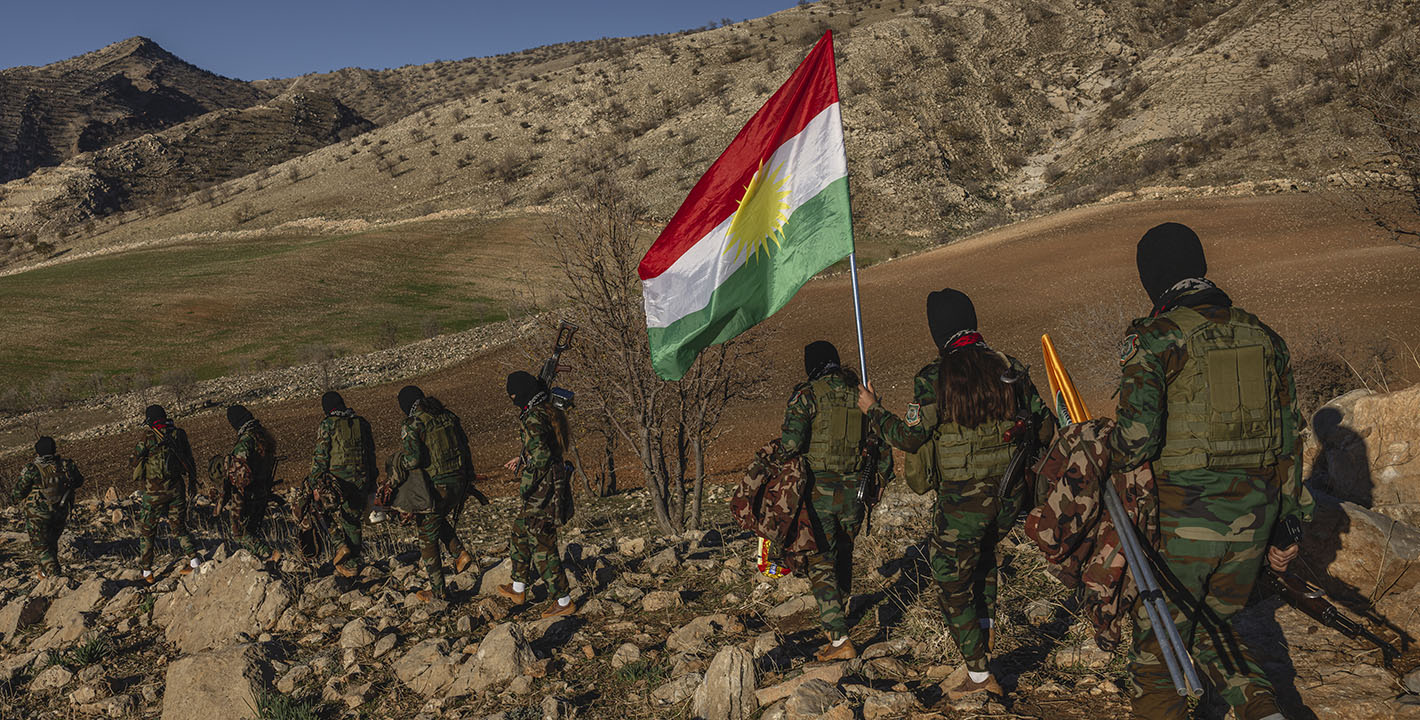
Following its deal with the United States, Iran may act against Iraq-based dissidents.
On February 28, 2026, the United States and Israel launched a massive, coordinated military operation against Iran. During the subsequent war, Iran carried out hundreds of drone and missile strikes on exiled Iranian Kurdish militant groups in Iraqi Kurdistan, killing at least ten of their members. On June 17, Iran and the United States signed a memorandum of understanding (MoU) to end hostilities.
During the early stages of the war, media reports stated that Israel and the United States were encouraging Iranian Kurdish factions based in Iraq to launch a large-scale attack across the border in order to assist with a U.S.-Israeli plan to topple the regime in Tehran. But this plan was never implemented, partly due to opposition from Turkish President Recep Tayyip Erdoğan.
Still, dissident Iranian Kurds are facing increased scrutiny from Tehran. Iranian state media has reported that Iran issued Interpol Red Notices for a number of leaders of Iranian Kurdish opposition groups, and has asked European countries and Iraq to arrest and extradite them. The list includes leaders of most of the seven Iranian Kurdish factions constituting a rebel alliance formed in February, including those of the Kurdistan Free Life Party (PJAK), Democratic Party of Iranian Kurdistan (PDKI), Kurdistan Freedom Party (PAK), and Komala. In what may be a related development, PAK member Soran Mohammedzadeh was assassinated in Erbil, Iraqi Kurdistan, on July 2.
Iranian state media has also reported that Iran is pushing the Iraqi government to comply with the March 2023 security agreement between the two countries. The agreement calls on Iraq to disarm Iranian Kurdish parties positioned along the border with Iran. A complicating factor is that most of these groups are based in that part of Iraq under the jurisdiction of the Kurdistan Regional Government (KRG), which enjoys considerable autonomy from Baghdad. Iraqi and KRG officials are discussing the matter.
Jila Mostajer of Iranian Kurdish rights group Hengaw believes that the KRG may decide to pressure Iranian Kurdish groups to curtail their activities should Iran and the United States reach further agreements. In an interview with Diwan, Mostajer—who has herself been put on Iran’s Interpol Red Notice list—said: “Such pressure could, in turn, become an additional factor encouraging members of these parties to leave the [Iraqi] Kurdistan Region.”
The regime has also taken action in Iran. According to Mostajer, “During the 40-day war, discussions regarding the possibility of providing weapons to the Kurds—raised by American media outlets and by President Donald Trump—created a narrative that the Islamic Republic has used to legitimize increased repression in [Iranian] Kurdistan under the pretext of maintaining national security.” According to Hengaw, clashes between PJAK and Iran’s Islamic Revolutionary Guard Corps (IRGC) in several Iranian cities in June left at least seven people dead, including three Iranian military personnel and four PJAK fighters. And on July 1, six PDKI fighters were killed in a confrontation with the IRGC near Piranshahr—also in Iran itself.
In a statement blaming Tehran for the clashes with its members, the PJAK’s armed wing reminded the regime that during the war it had refrained from carrying out any military operations against Iran and had stayed neutral. “Even when the Iranian regime was at its weakest,” the group declared, “we adhered to our […] independent course.”
In a Diwan interview, Mohammed Salih, a senior fellow at the Philadelphia-based Foreign Policy Research Institute, said: “Iran considers Kurds an important opposition actor with the potential to lead or be major contributors to future activities against the regime.” In his view, even if Tehran were to ramp up its political and military campaign against Iraq-based Kurdish factions, the United States would not intervene.
“The most immediate implications of this reality,” Salih concluded, “will be further securitization of life in Iranian Kurdistan and growing pressure on the Iraqi government and the KRG to expel Iranian Kurdish opposition parties from Iraq, mainly toward Western destinations.”
Some observers, among them Iranian Kurds, expect the war to resume in the near future, given that any final deal between the United States and Iran appears to be a long way off. According to the Wall Street Journal, Trump is sticking to diplomacy for the time being, but actively weighing a return to all-out war if a final agreement is not reached. In a sign of how shaky the MoU is, Iran and the United States exchanged strikes in late July before recommitting to the ceasefire. According to the MoU, Iran and the United States should reach a final deal by August 18.
What this means for Iraq-based Iranian Kurdish militant factions is not clear. Hejar Berenji, the PDKI’s representative in the United States, maintained in an interview with Diwan that the MoU will not decide the future of Iranian Kurds. “It may pause or manage part of the U.S.–Iran confrontation, but it does not address the root problem: the Islamic Republic’s repression inside Iran and its attacks on Kurdish communities,” he said.
However, Berenji acknowledged the risk that Iran will put more pressure on Baghdad and the KRG to take action against Iranian Kurdish opposition parties and refugee camps. In the meantime, amid the clashes within Iran, the regime in Tehran continues to launch drone strikes on Iranian Kurdish parties across the border. Also worth considering is the possibility that Iraqi Kurdish leaders, who on July 3 attended the funeral for Iran’s late Supreme Leader Ali Khamenei (killed in an Israeli-U.S. airstrike in February), may voluntarily make concessions to Tehran in order to protect the KRG region’s autonomy.
“But [Iranian] Kurds will not simply become victims,” Berenji insisted. The Kurdish struggle will continue politically, diplomatically, socially, and through legitimate self-protection when necessary.”
Wladimir van Wilgenburg
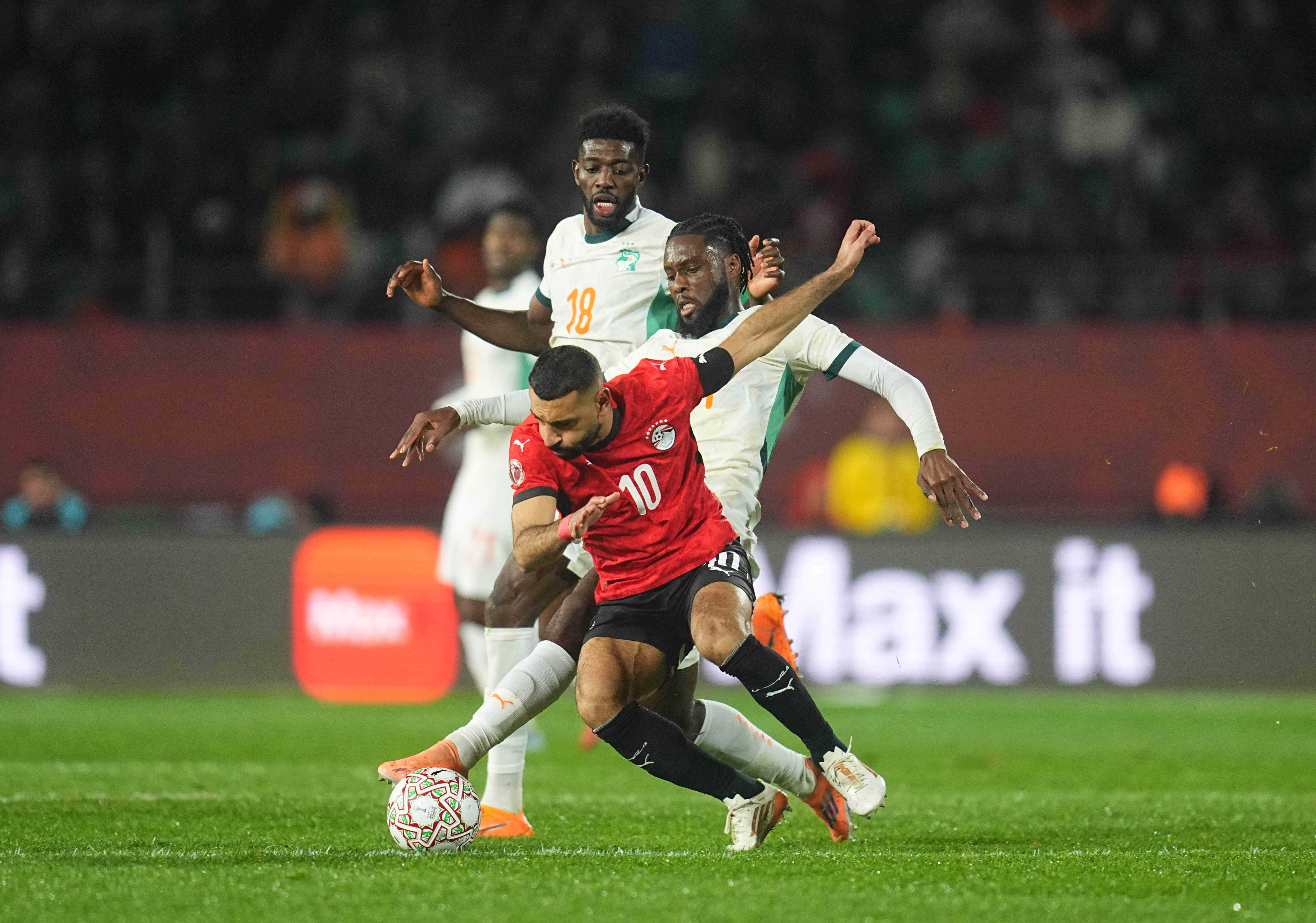
This will be the region’s most representative tournament, amid broad changes in its footballing landscape.

Issam Kayssi
In an interview, Marc Lynch discusses his new book decrying the post-1990 U.S.-dominated order in the Middle East.

Michael Young
Because perpetual conflict enhances control, offers economic benefits, and allows leaders to ignore popular preferences.

Angie Omar
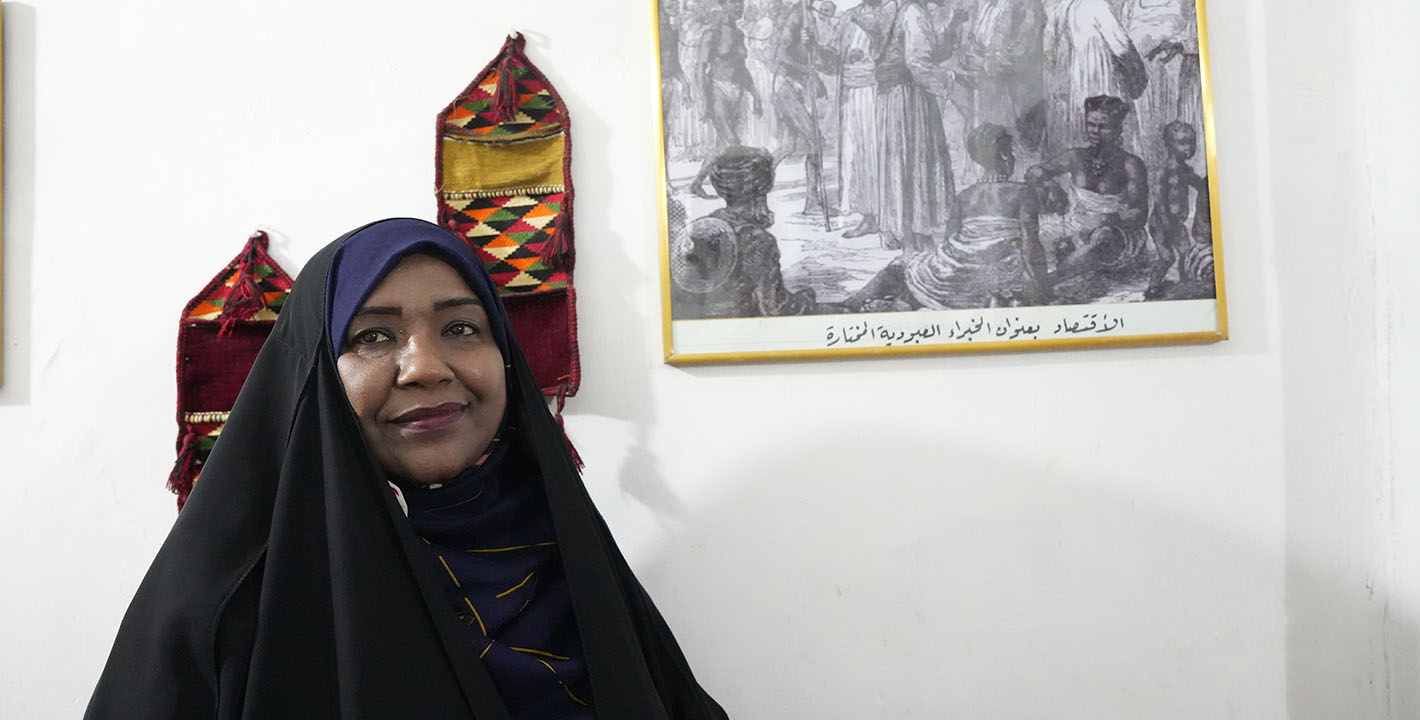
In Basra, an ethnoracial minority wages a constant struggle to assert itself in the face of marginalization.
Zeinab Shuker
In an interview, Jim Lamson discusses the ongoing regional conflict and sees an unclear picture when it comes to winners and losers.
Michael Young