The Europeans spent the winter worrying that the United States would agree a new Yalta with Russia. Such an agreement, the thinking went, would settle borders and the continent’s security order—in an arbitrary manner, above the heads of those concerned. And then, they spent the spring discussing who should represent Europe in its own hypothetical negotiations with Moscow. Those talks would aim to settle the same questions in more palatable ways for Europe, and anchored in the rules and norms of the fading post-Cold War era.
These hopes and fears—as well as historical analogies—are misplaced in today’s context. The Yalta and Potsdam conferences that drew Europe’s map for nearly fifty years took place at the close of the Second World War. The next iteration of the European order was negotiated in Paris in 1990, when the Cold War was on its way out. Both settlements were postwar agreements, concluded when it was clear who the winners and losers were.
Today, the global power balance is off-kilter, rules and norms are in disarray, and big upheavals are only just starting. In these circumstances, it is hard—if not impossible—to negotiate long-lasting agreements. Thus, if there is any chance of putting an end to the war in Ukraine, it is unlikely to be through a wide-ranging arrangement underpinned by a normative framework. It would much more likely come in the form of a fragile and inconclusive ceasefire, possibly reached by means of escalation and brinkmanship. Instead of discussing the normative nuances of a hypothetical settlement, Europe should prepare for the latter scenarios.
Russia, particularly, is a long-time adherent to the view that the world is on the brink of a major change, and hence it is doubtful of the value of investing in long-term arrangements. It is convinced that 500 years of Western hegemony is ending, that other powers are ascendant, and that major upheavals are coming before the dust settles and a new world order can emerge. This may have even been one of the factors that pushed the Kremlin to launch the full-scale war against Ukraine: If one thinks that the sun is setting on liberal international order, then one does not fear trespassing on its norms.
In Russia’s eyes, the current European mainstream is attached to the norms of a bygone era it cannot uphold; thus, it is not in the position to set conditions. Moscow might also be betting it can get a better deal later, once the mainstream changes if populist parties and politicians come to power in big countries, such as France and Germany.
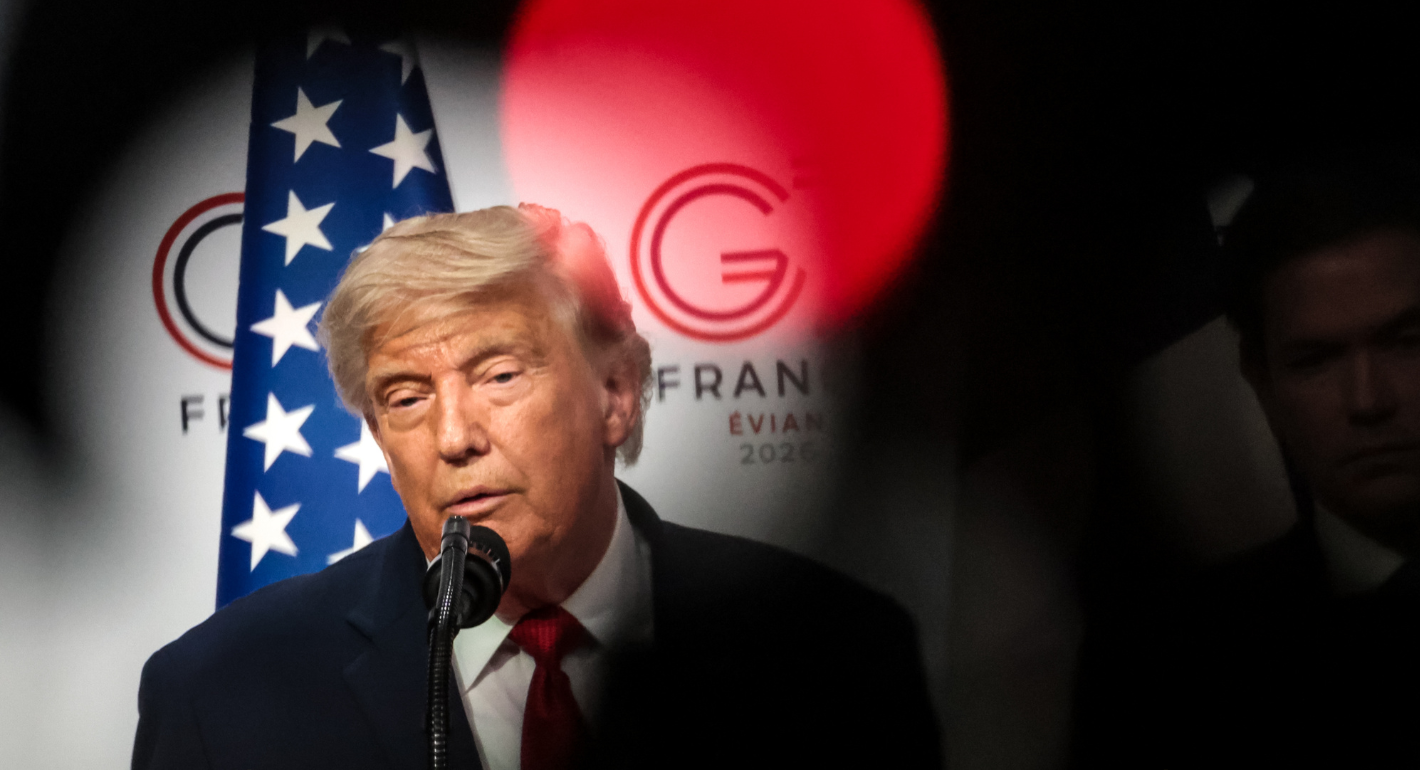
Clearly, it is still keen to negotiate with the United States. Even though a lack of progress is frustrating for Moscow, triggering U.S. President Donald Trump’s wroth and becoming a target of his emotional outbursts would still add to its problems. Russia has also tried and failed to lock in a modicum of diplomatic victory in its discussions with Washington since Trump’s return to power, including on the European political order and Ukraine’s place in it, which it regards as the “root causes” of the war. And yet, all of that is done in a somewhat provisional manner, with full understanding that what is negotiated might not survive for long because the great power status of the United States is faltering.
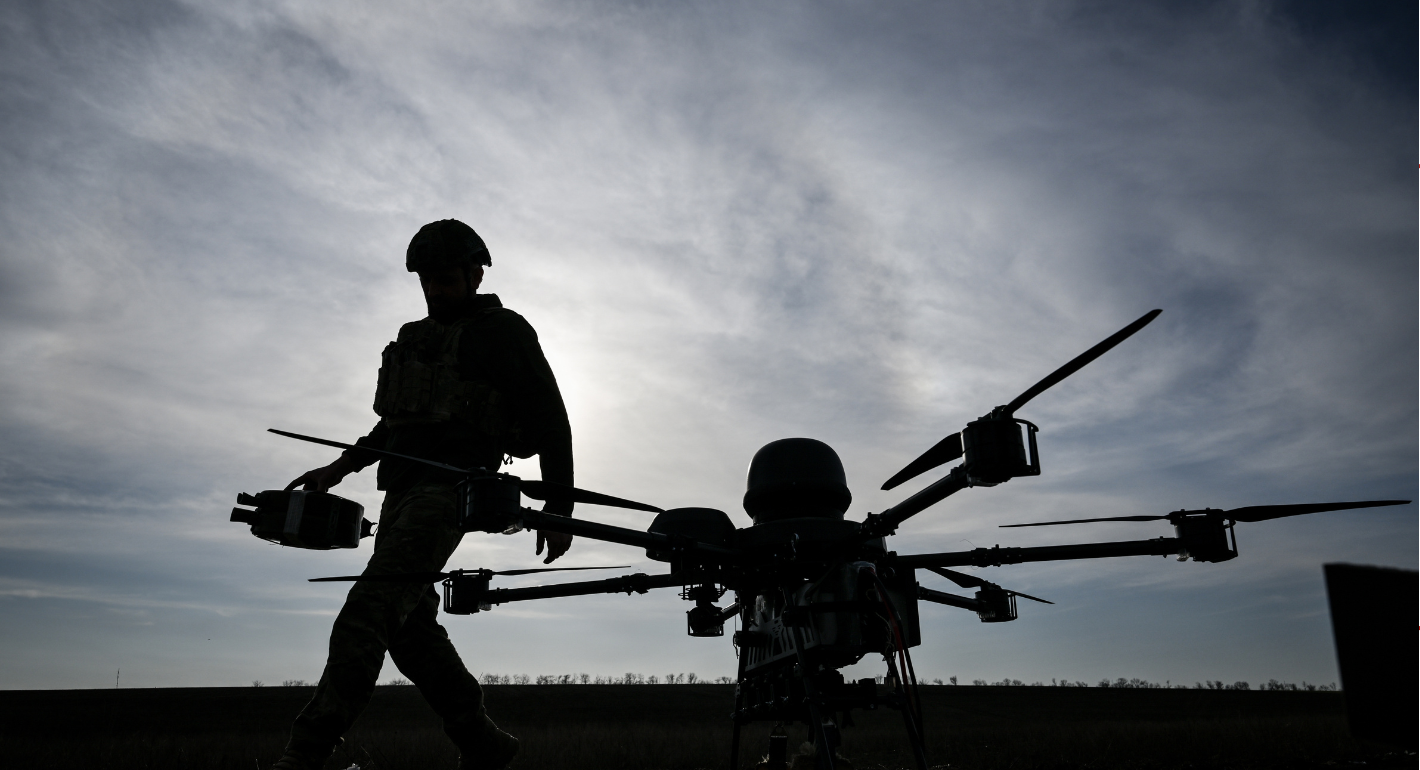
And yet, even while the world’s normative structure is flailing, for the first time during this war, Ukraine’s successful drone strike strategy has produced a situation where both it and Russia could seriously benefit from a ceasefire.
Ukraine would because its cities still suffer devastation by Russian strikes night after night. It is also struggling to repair its energy infrastructure in a manner that would allow it to confidently face the winter. Russia would benefit because the current fuel shortages are not only humiliating the government and paralyzing civilian life, but could also start hindering the war effort, should they continue unabated. And with the frontlines not moving, Moscow is also potentially staring into the abyss of another mobilization
There has been a mood change in Moscow. In May, the Russia in Global Affairs magazine published an article by a prominent military expert, giving the Kremlin an out by arguing that the goals of the military operation have been fulfilled to the extent possible and that continuation of the war is therefore no longer necessary. More recently, the head of Russia’s largest retail bank, said that the economy cannot continue much longer with current interest rates and a swift end to the war is now in everyone’s minds.
Nevertheless, these opinions among largely technocratic elites are not necessarily indicative of the Kremlin’s next moves. Russian President Vladimir Putin has so far rejected anything short of Ukraine’s capitulation and submission, even though a ceasefire would have benefitted him by helping to split Europe and create domestic trouble for his Ukrainian counterpart Volodymyr Zelensky. Instead, the last time Russia was similarly on the military back foot was in the autumn of 2022—Putin’s response then was to escalate by conducting a partial mobilization. Escalation, either vertical or horizontal, could still become his favored choice of action now.
For Europe, both options would be a problem. Escalation targeting Europe could dramatically increase the alert level across the continent, while escalation focused on Ukraine would trigger a scramble for additional ways to support Kyiv. A ceasefire along the frontline, meanwhile, would make Europeans ask if this is but a preparation for renewed war. Russia violating the 2015 Minsk agreements and the agreement that ended its invasion of Georgia in 2008 are not encouraging examples in that regard. Europeans would need to find ways to make a ceasefire last.
Either way, it seems that Europe must prepare to handle the situation at hand instead of discussing normative agreements that could end the war. Normative agreements matter, and their time will hopefully come—just not yet.