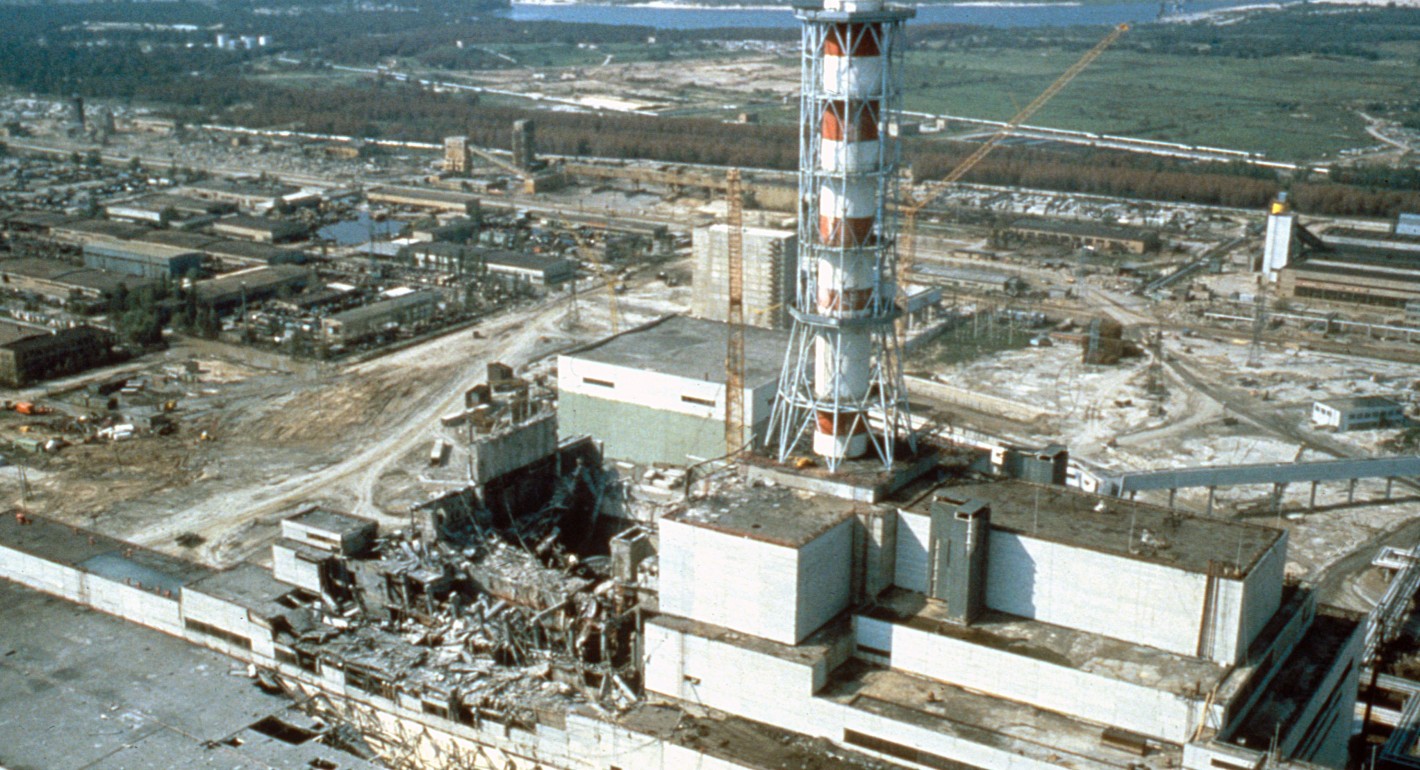
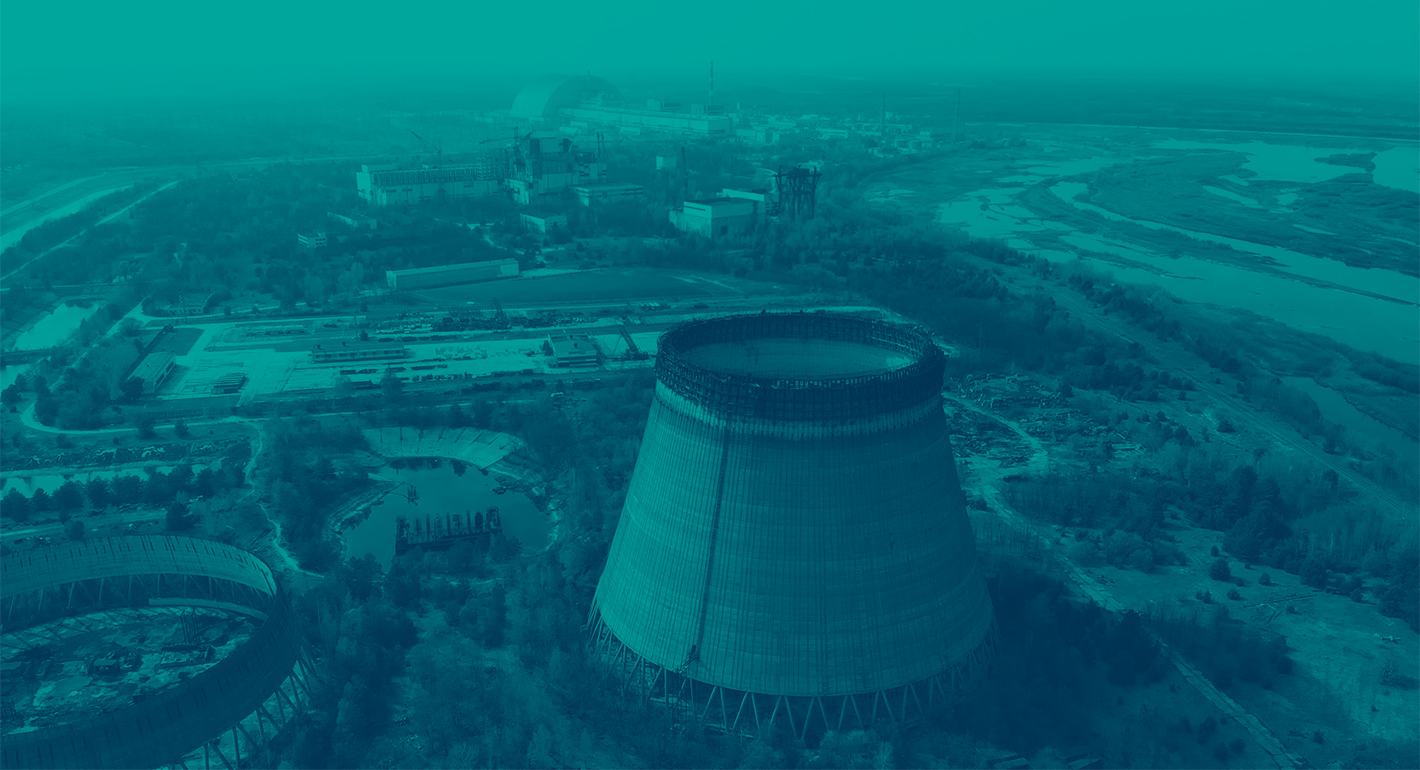
On April 26, 1986, a routine safety exercise at the Chernobyl Nuclear Power Plant’s Unit 4 in Soviet Ukraine ended in the most consequential nuclear accident of the atomic age. Forty years later, huge swaths of land remain uninhabitable, and thousands of people are still dealing with long-term health effects. Nearly a trillion dollars has been spent on remediation and compensation, and public opinion around the world remains sharply divided on the value of nuclear power as a clean energy source to combat the climate crisis. These political and physical effects demonstrate that the Chernobyl accident is not yet history and is still a current event.
Multiple external investigations in the immediate aftermath and the following years attempted to identify the accident’s root causes. They found that the accident resulted from technical overconfidence, lack of information sharing, and the inability of contrary views to be heard within the Soviet Union’s oversight and regulatory system. A 1992 International Atomic Energy Agency report concluded, “the new information demonstrates the lack of feedback of operating experience and the inadequacy of communication between designers, engineers, manufacturers, constructors, operators and regulators. These deficiencies, coupled with a lack of clear lines of responsibility, were critical factors in the events leading up to the Chernobyl accident.”
The design of the Chernobyl reactors (known as RBMK reactors) had a characteristic that made them unstable at low-power operations. Despite being recognized in small technical communities, this information was suppressed by Soviet authorities, who portrayed the technology as safe, reliable, and economical. This vulnerability was withheld from the wider public—and from the reactor operators themselves. This ignorance led them to do the exact wrong thing during the safety drill, where their actions directly contributed to a cascading set of technical failures and, ultimately, the reactor’s total meltdown.
The literal fallout from the Chernobyl accident in more than twenty countries was accompanied by metaphorical fallout: a widespread loss of confidence in nuclear energy. (As Mr. Darcy said in Jane Austen’s Pride and Prejudice, “my good opinion, once lost, is lost forever.”) After Chernobyl, public approval of nuclear energy dropped sharply, and in many places has never recovered, with clear effect on nuclear deployment.
The most direct case was Italy, where a public referendum in 1987 led to the phase out of existing nuclear power and a prohibition against any new plants. In Italy, Chernobyl didn’t just raise concerns about nuclear safety—it fundamentally delegitimized nuclear energy as a political option. In Germany, Switzerland, and Belgium, sharp declines in public support for nuclear were measured after Chernobyl, but phase-outs and bans didn’t take root until after the Fukushima, Japan, accident in 2011. Starting with Chernobyl, and reinforced by Fukushima, these accidents were tied in the public imagination with corruption, a lack of transparency, and a model of risk management that concentrated decisions (and therefore responsibility for failures) in too few hands.
Sustained public confidence is key to siting and building nuclear power plants. Now—as evidence of human-influenced climate change is overwhelming, and people around the world suffer from the effects of more volatile weather patterns—a possible contributor to carbon-free energy is sidelined in many countries and communities because of a lack of trust in nuclear energy and the systems that govern its safe and secure operation.
When it comes to the nuclear safety lessons of Chernobyl, however, there are risks to overindexing on the 1986 accident. First, RBMK reactors are not widely deployed, and the seven remaining units (all in Russia and built in 1990 or earlier) were retrofitted with safety upgrades informed by the Chernobyl accident. In addition, the accident spurred the creation of the World Association of Nuclear Operators for the international sharing of best practices and providing peer review and assessment. These two actions demonstrate the positive lessons of Chernobyl, namely a drive toward continuous improvement and transparency, rather than opacity. In addition, new generations of reactors (so-called Gen III and III+) have incorporated features such as passive safety measures that rely on the laws of physics rather than human intervention to activate in the case of an emergency. Many such tools are also incorporated in the designs of so-called advanced reactors now being considered for future deployment.
That said, not all the lessons of Chernobyl have been learned. Although triggered by a natural disaster, the Fukushima accident was due, in part, to some of the same core problems. These include lack of transparency in decisionmaking, failure to address known safety shortcomings, and weak regulatory enforcement. The same hubris that contributed to Chernobyl also contributed to Fukushima, including that “many believed that a severe accident was simply impossible.”
The attempts by President Donald Trump’s administration to weaken U.S. nuclear regulation walk back the strengthened regulatory approaches developed in the wake of Chernobyl and improved successively after 9/11 and Fukushima. Unfortunately, regulatory rigor has become the stalking horse for those who see oversight as a barrier to rapid deployment, rather than the responsibility of governance and the protector of public health and safety.
The deployment of novel and (so far) untested technologies need not incur untenable risk. A rush to build, overreliance on best-case-scenario assertions, and intolerance for voices that raise legitimate concerns are all recipes for history repeating itself. Any accident or incident with a new reactor design would likely set back the nuclear field again. It would once again undercut the opportunity to include expanded nuclear as part of an “all of the above” strategy to meet energy demand, build self-sufficiency in times of market interruption, and address cross-cutting global climate impacts.
Chernobyl also remains a physical flashpoint. In the first days of Russia’s full-scale invasion of Ukraine in 2022, Russian ground units transited through the Chernobyl exclusion zone and even dug trenches. In the process, they disturbed radioactively contaminated topsoil that resulted in elevated readings from sensors that have been monitoring the regional environment since 1986. The soldiers then took temporary residence in and around the abandoned nuclear plant’s premises, the first time a nuclear facility was occupied by an invading force. Shortly after, Russian troops seized control of the Zaporizhzhia Nuclear Power Plant—the largest in Europe.
On Valentine’s Day in 2025, a Russian drone strike damaged the containment structure around Chernobyl’s melted reactor, a $2.6 billion, 100-year structure completed in 2016 to replace the hastily constructed “sarcophagus” that had enclosed the site since the accident. Additional drone and other airborne operations have been persistent throughout the war in the skies above Chernobyl, and Russia has continued to target infrastructure associated with Ukraine’s other operational nuclear plants, including the energy substations that power them. Meanwhile, various attempts to end Russia’s occupation of the Zaporizhzhia plant and to draw clear red lines around the targeting of nuclear power sites and associated infrastructure have failed.
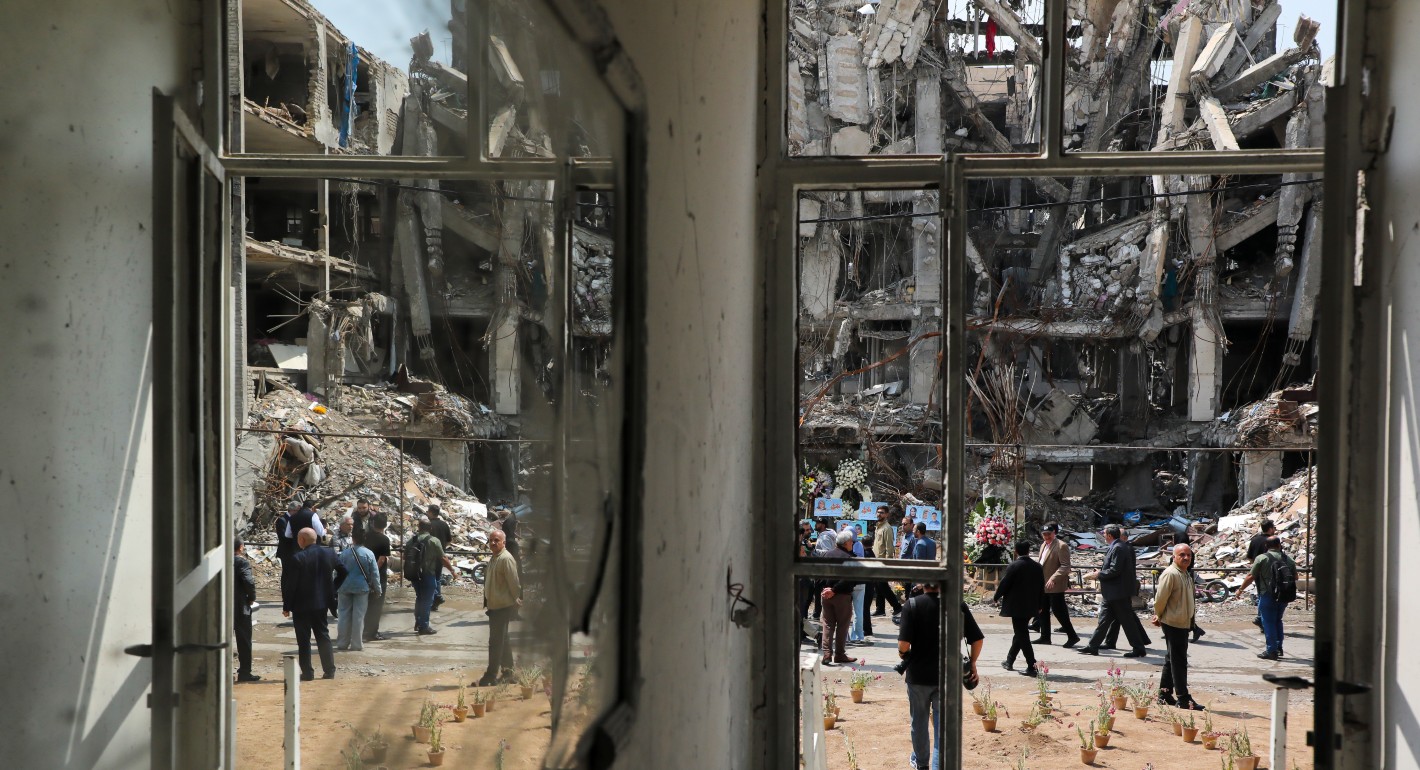
Now, the safety question has spread to Iran. Even before the airstrikes of 2025 and 2026 by the United States and Israel on the country’s nuclear facilities, the nuclear community started to grapple with the question of when, if ever, a nuclear facility should be a viable target in combat. What does it mean for military operations when the radioactive consequences of a strike cannot be contained to the battlefield?
In April 1986, Chernobyl proved the adage that a nuclear accident anywhere is a nuclear accident everywhere. Similarly, we now also know that a nuclear accident anytime is a nuclear accident for all time—in the public imagination, if not in the environment. Although nuclear power can and should be a part of reducing the world’s reliance on carbon-emitting sources of energy, it must be accompanied by strong regulations, community engagement, information sharing, and transparency. It also must include perhaps the rarest resource: humility. These are all lessons we should continue to learn from Chernobyl, which demonstrated that the greatest nuclear safety risk is complacency.